Eid stitching: when to give your clothes so they are ready on time
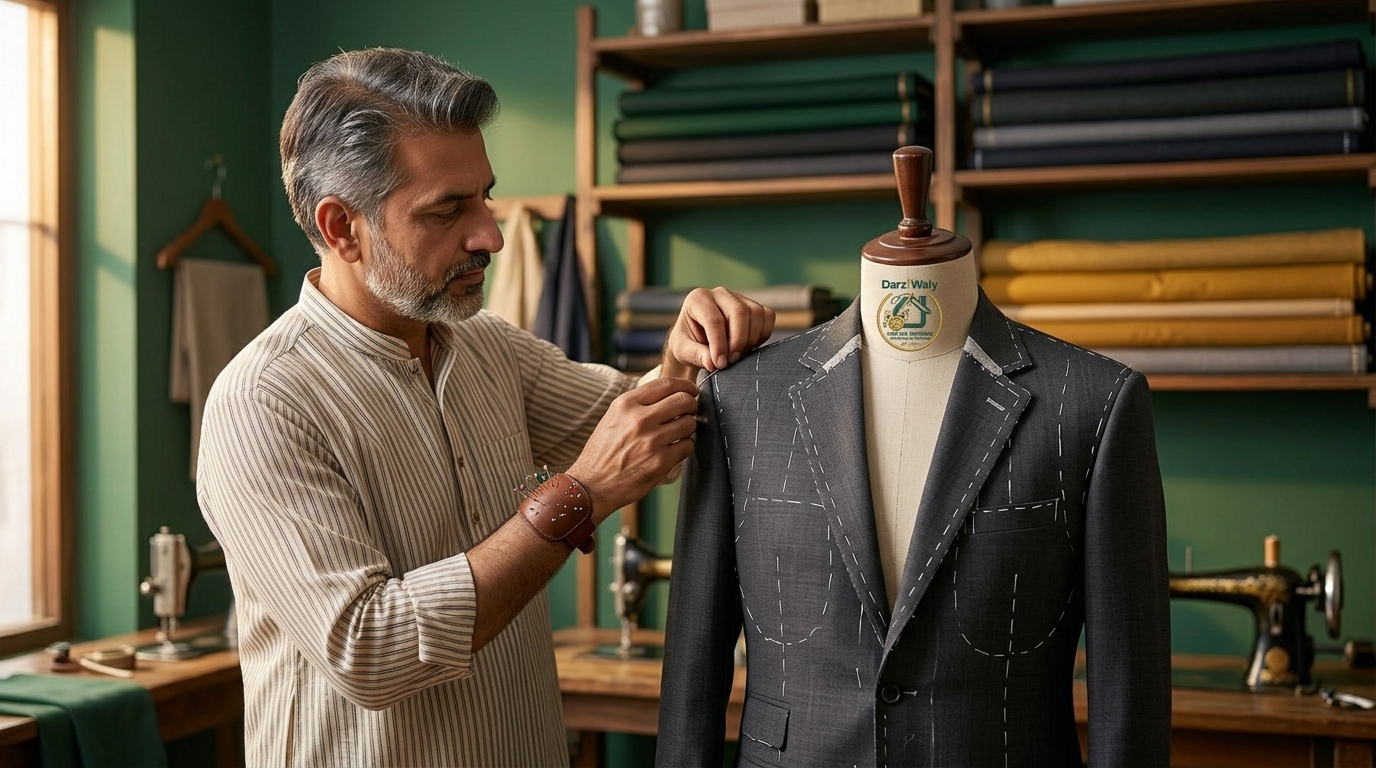
Two weeks before Eid, the same sign goes up on tailor shops across Pakistan: booking closed. A week later the queues begin. On chand raat, people are still standing outside shops, waiting for a suit that was promised three days earlier.
It happens every year, and it is completely avoidable.
Why tailors run late before Eid
A tailor can stitch a fixed number of suits in a day. Before Eid, the orders arriving in one week may equal a normal two months. Many tailors accept more than they can finish because they do not want to turn regular customers away. The result is rushed work and broken promises.
Understanding this helps you plan around it.
A simple Eid stitching calendar
- Before Ramzan begins: the best time. Tailors are relaxed, your suit gets full attention, and there is time for alterations.
- First ten days of Ramzan: still safe with most tailors.
- Middle ten days: possible, but confirm the delivery date clearly. Popular tailors start closing bookings.
- Last ten days: only urgent orders, often at a higher price, and with real risk.
For Eid ul Adha the pattern is the same, a little less intense. Aim to hand over your cloth at least three weeks before.
Buy the cloth early
Much of the delay is not the stitching at all. It is people buying cloth late. New collections arrive well before Ramzan. Buy early, then give the cloth to the tailor straight away. Do not keep it at home waiting for a free weekend.
Confirm the date, not the week
Do not accept "it will be ready before Eid". Ask for a date, and ask for it to be several days before Eid. That gap is your safety margin for alterations.
Then ask one more question: "Will you tell me if it is going to be late?" A tailor who says yes honestly is worth keeping.
Is urgent stitching worth it?
Many tailors offer urgent stitching at a higher price. It can work for one plain suit. It is risky for anything with a designer cut, lining or embroidery, because those steps cannot be hurried without cutting corners. If you must order late, keep the design simple.
Spread your orders
If a family is giving ten suits, do not give all ten to one tailor in the last week. Either give them early, or split them between two tailors.
Try it on before Eid day
Collect the suit, try it on at once, and check:
- length and sleeve
- collar or neckline
- that the shalwar or trouser is the right length
- that all buttons are attached
A tailor can fix a small problem in an hour if you tell him two days before Eid. On chand raat he cannot.
Follow your order without the phone calls
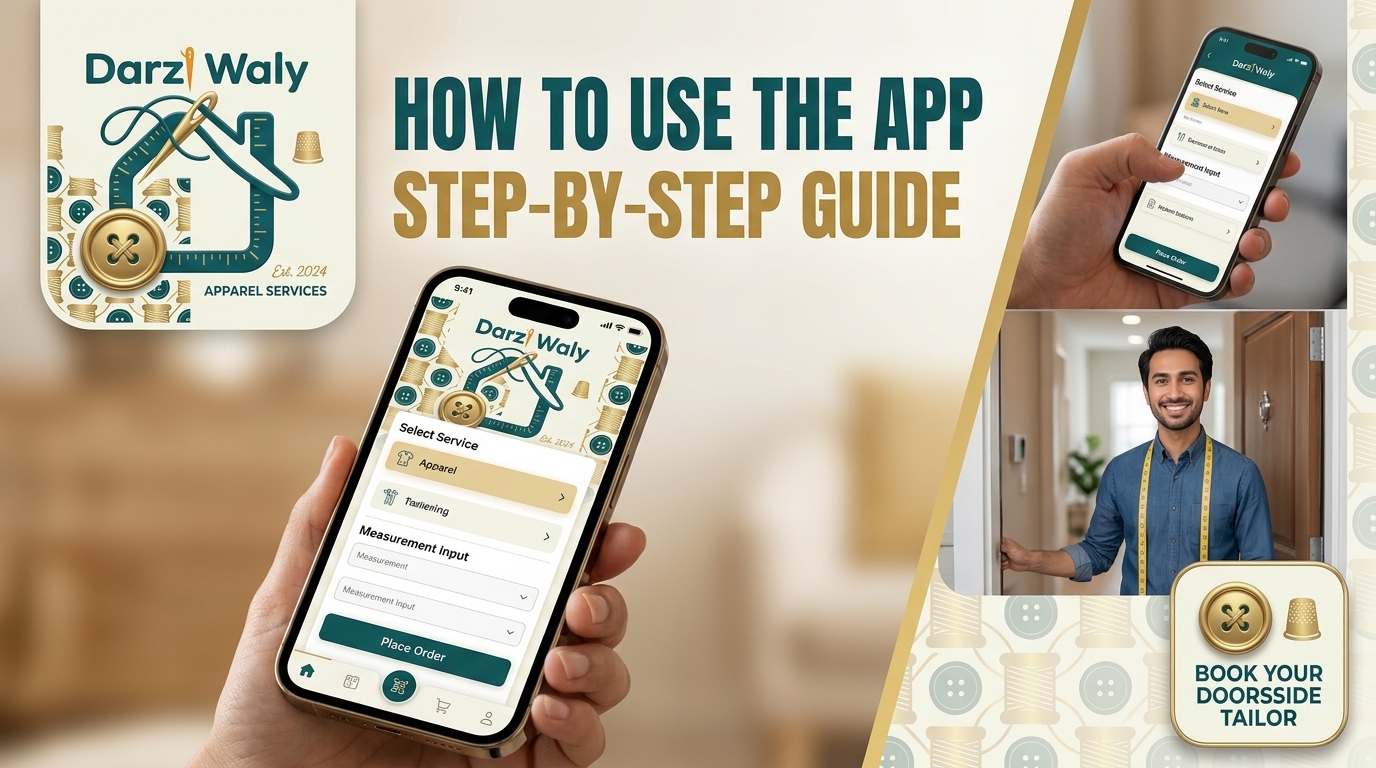
A lot of pre-Eid stress is simply not knowing. Has he cut it yet? Is it stitched? With Darzi Waly, the tailor updates the stage of your order in the app, from cloth received to cutting, stitching and ready, and you get a notification each time. A tailor who is fully booked can decline new orders, so you find out on day one, not on chand raat.
Plan now
Decide what you need, buy the cloth, and book. For men, see the shalwar kameez stitching guide and kurta stitching. For women, see ladies suit stitching.